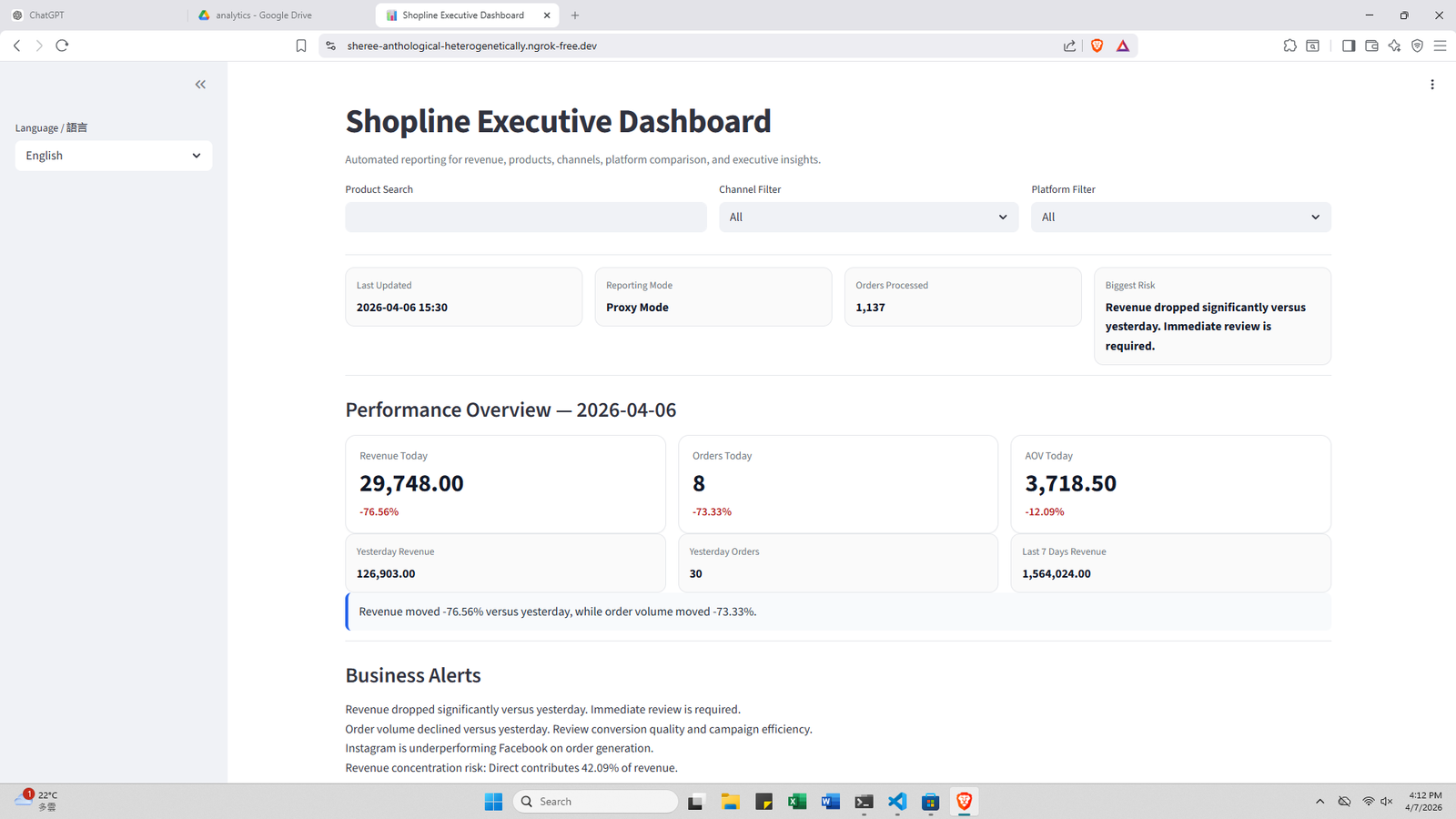
Business efficiency is often measured through speed, but speed alone is not a reliable sign of operational health. A team can move quickly while still working with unclear information, incomplete reporting, and inconsistent next steps. Real efficiency comes from clarity. Teams need to know what happened, why it happened, and what should happen next. That is why reporting systems matter so much. They shape how a business understands performance, prioritizes actions, and coordinates execution across functions.
AI automation improves business efficiency when it strengthens that process rather than merely accelerating a single output. If automation helps collect recurring metrics, organize them into a consistent format, prepare first-draft commentary, and route the update to the right stakeholder, the reporting system becomes more useful. That usefulness is where operational efficiency grows. People spend less time assembling information and more time acting on it.
In modern digital operations, reporting is no longer a side task. It is part of the operating system. Marketing performance, e-commerce signals, workflow status, content progress, and customer-facing activity all generate data that needs to be interpreted. When reporting is delayed or inconsistent, the business becomes slower to adjust. AI automation can help close that gap by creating a more structured reporting flow.
Efficiency depends on how information moves through the business
Many teams think of efficiency in terms of effort. They ask how to reduce manual work or how to complete tasks faster. Those are useful questions, but they are only part of the picture. A business can still become inefficient if information moves poorly. If the right person does not receive the report on time, if the summary is inconsistent each week, or if the output is too noisy to support decisions, the business loses momentum even if the report was built quickly.
That is why reporting systems should be treated as operational infrastructure. They are not just documents. They are communication systems. A strong reporting workflow gives leaders the visibility they need while giving teams a clearer sense of what matters. AI automation supports that by reducing repeated preparation work and helping reporting follow a stable format from one cycle to the next.
This is especially important for businesses handling multiple channels. A modern team may be tracking marketing campaigns, content publishing, e-commerce updates, internal workflows, and customer response data at the same time. Without structure, those signals remain scattered. AI automation helps bring them together so reporting becomes easier to review and easier to act on.
Why manual reporting creates operational drag
Manual reporting is rarely just one task. It usually includes collecting data from several sources, checking which metrics matter, formatting the numbers for a specific audience, summarizing the story behind the data, and then sharing the final output with the right people. Even when each step seems manageable, repeating that process week after week creates friction. People spend time rebuilding the same report structure instead of improving the business.
The other issue is inconsistency. When reporting depends on manual habits, each cycle can look slightly different. One report highlights traffic while another emphasizes revenue. One stakeholder receives a short summary while another receives too much detail. Over time, it becomes difficult to compare results or understand the true direction of performance. AI automation improves efficiency by helping reporting follow a more dependable structure.
That does not mean AI should replace analysis. Human judgment remains essential. Teams still need to interpret context, weigh tradeoffs, and decide which actions matter. The role of automation is to reduce repetitive assembly work so that judgment can be used where it has the highest value.
AI automation improves reporting quality in practical ways
The most useful reporting automations are not necessarily the flashiest. They are the ones that make the system cleaner. AI can help classify metrics into a consistent structure, prepare summary notes for recurring trends, turn raw data points into first-draft commentary, or generate standardized report sections based on a known format. It can also support recurring checks such as identifying missing inputs or flagging incomplete data before the report goes out.
These changes matter because better reporting quality improves operational speed indirectly. When a stakeholder receives a report that is clear, comparable, and focused, they can respond faster. When a team receives a report that connects performance to action, follow-through becomes easier. This is where AI automation and business efficiency truly connect. The gain is not only in production time. The gain is in decision-making flow.
Examples of reporting tasks that benefit from automation
- Recurring KPI collection across multiple dashboards or platforms.
- Standard report formatting for weekly, monthly, or campaign reviews.
- First-draft narrative summaries for management or stakeholder updates.
- Trend comparison notes that support follow-up action.
- Routing the final report to the right audience with the right level of detail.
Better KPI visibility leads to better operational choices
Efficiency improves when performance becomes easier to interpret. A KPI is only useful when the team understands why it matters and what should happen next. AI automation helps by reducing the noise around that interpretation. It can keep recurring metrics in the same order, support clearer comparison periods, and surface the highlights that deserve attention first.
This makes reporting more useful across departments. Operations leaders can review workflow bottlenecks more quickly. Marketing teams can see whether campaigns are improving acquisition quality. E-commerce managers can connect product or channel performance to next actions. Senior stakeholders can focus on signals and priorities instead of reading through unstructured updates.
The result is not just a better dashboard. The result is a better operating rhythm. When KPI visibility improves, the business becomes more capable of making timely adjustments instead of reacting late.
AI-assisted reporting should support action, not just observation
One of the biggest reporting mistakes is stopping at description. Teams often produce reports that explain what happened but do not clarify what should happen next. A more useful reporting system closes that gap. It links the performance view to a decision, a follow-up question, or an operational priority. AI automation can assist by structuring reports in a way that supports that transition.
For example, a weekly report might not only show campaign movement, but also prepare a short section on risks, opportunities, and recommended follow-up areas. A content performance report might summarize which topics gained traction and which pages may need refresh work. A commerce report might connect product behavior to operational action points. This does not remove judgment. It gives the team a better starting structure for judgment.
That structure is what improves operational efficiency. Teams make progress faster when the reporting system already points toward the next conversation that matters.
Business efficiency increases when reporting workflows are standardized
Standardization often sounds rigid, but in operations it usually creates freedom. When teams know the expected format, the right inputs, and the review sequence, they waste less time deciding how to build the report each time. Automation supports this by reinforcing a standard rather than letting each cycle drift. That consistency helps businesses compare periods more easily and build stronger internal habits around reporting.
It also makes cross-functional collaboration easier. Different departments often need different levels of detail, but the source structure can still remain stable. AI automation helps maintain that base structure while adapting the final output to the audience. This is valuable for growing businesses where reporting has to support both strategic oversight and daily execution.
If the business already cares about structured service delivery, cleaner operations, or stronger systems thinking, this connects naturally with the broader services approach. Reporting quality is not separate from digital operations. It is one of the clearest expressions of how well the operation actually runs.
How reporting automation supports multilingual and distributed operations
International or multilingual operations add another layer of reporting complexity. Teams may need summaries in different languages, localized context for specific markets, or a consistent source structure that can be adapted without changing the core meaning of the report. AI automation can help by keeping the source version structured and supporting draft adaptation for different audiences.
This is valuable because multilingual execution becomes harder when reporting is already weak in one language. A better system starts with a cleaner source workflow. Once the base report is well structured, AI-assisted adaptation becomes more practical and less error-prone. This is one of the reasons multilingual content systems and reporting systems often benefit from similar operational design principles.
You can see how that system-led thinking extends into broader content and platform work through the project portfolio and the authority-building perspective on the blog. The common theme is not just AI usage. It is structured execution.
How to start improving efficiency with AI-assisted reporting
A strong starting point is a report that already matters to the business. Weekly performance reviews, campaign reporting, e-commerce summaries, and internal KPI updates are common candidates. Start by identifying what makes the current workflow inefficient. Is the data collection manual? Does the format change too often? Is the commentary inconsistent? Are the next actions unclear? These questions reveal where automation will actually help.
From there, the business can simplify the structure, define the required inputs, and standardize the output format. AI can then be added where it supports repeated preparation, summary drafting, consistency checks, or distribution logic. The goal is not to create more reporting volume. The goal is to create clearer reporting that improves how the business operates.
If you want more context behind that operating style, the about page explains the system-led perspective behind the work, and the approved contact options are available if you want to discuss a reporting or efficiency challenge directly.
Conclusion
AI automation improves business efficiency most effectively when it strengthens reporting systems. It helps teams reduce repetitive preparation work, maintain clearer KPI visibility, improve consistency, and support better decision-making. The efficiency gain is not only about producing reports faster. It is about making reporting more useful as part of everyday operations.
Businesses that treat reporting as operational infrastructure are better positioned to act with clarity. AI automation becomes especially valuable when it turns scattered information into structured decision support.
Work With Me
Need cleaner reporting systems or stronger KPI visibility?
I help businesses organize reporting workflows, KPI structures, AI-assisted summaries, and operational visibility systems that support better decisions and more efficient execution.